

Read stories from across our global community, including our new specialist e-newsletters across Power & Sustainability, Ship Repair & Maintenance, Warship Technology, Ferries & Fast Craft and Offshore Technology.
Agamemnon puts to sea
Warship Technology (Newsletter)
HMS Agamemnon sails from Barrow for sea trials (image: Andrew Linnett; UK MOD - Crown copyright 2026).
HMS Agamemnon enters sea trials, marking a key milestone for the Astute programme as construction of the final boat, Achilles, progresses at Barrow.
Electric propulsion for South Korean destroyer
Warship Technology (Newsletter)
Leonardo DRS and Doosan Enerbility at the contract signing for the KDDX electric propulsion system (image: Leonardo DRS)
Leonardo DRS secures a propulsion role on South Korea's KDDX programme, the navy's first destroyer class to feature full-electric drive.
US Navy autonomous future
Warship Technology (Newsletter)
ROMULUS 151 hull under construction (Image: HII)
HII’s Odyssey autonomy system has completed US Navy evaluation at sea, including a 420nm, 28-hour mission, leading to an order for 10 ROMULUS uncrewed surface vessels.
Readiness counts in methanol retrofits
Ship Repair and Maintenance (Newsletter)
The Everllence B&W ME-LGIM S90 dual fuel unit (image: Everllence).
Experience is crucial to the retrofitting of dual fuel engines, but a vessel’s readiness for that transition can simplify the project substantially. Since 2025 Seaspan and its partners in Everllence and COSCO Shipping Heavy Industry, have honed their skills.
Odfjell outlines key measures behind fleet-wide energy savings
Ship Repair and Maintenance (Newsletter)
Odfjell's Bow Olympus has successfully trialled suction sails (image: Gunnar Eide)
Meeting early net zero targets can be achieved successfully without breaking the bank. Odfjell shows how it cut the cost of cutting emissions.
Enclosed spaces: managing the risks
Ship Repair and Maintenance (Newsletter)
Revised guidelines seek to minimise hazards facing crew working in confined spaces (image: Shutterstock).
Safety is critical in shipyards, but repairs still carry an element of risk. Renewed guidelines are there to help mitigate those risks.
Sponsored: Baudouin: Genuine Marine Engines Engineered for World-Class Vessels

LCO2 cargo management evolution
Offshore Technology (Newsletter)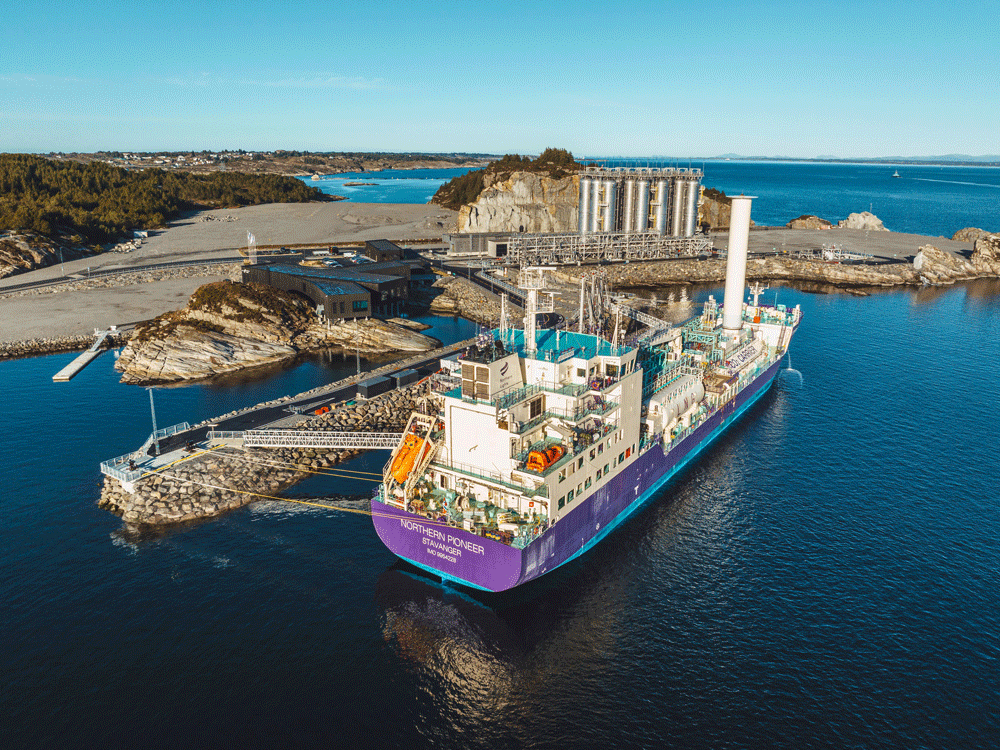
LCO2 carrier Northern Pioneer, a new breed of gas carrier (image: Northern Lights JV)
Carbon capture and storage is expected to play a major role in the decarbonisation of shipping and other industries. Whether that captured carbon is sent for permanent storage or is purified for further industrial use, specialist vessels will need to be built to ship the gas.
Flexible FLNG's star is rising
Offshore Technology (Newsletter)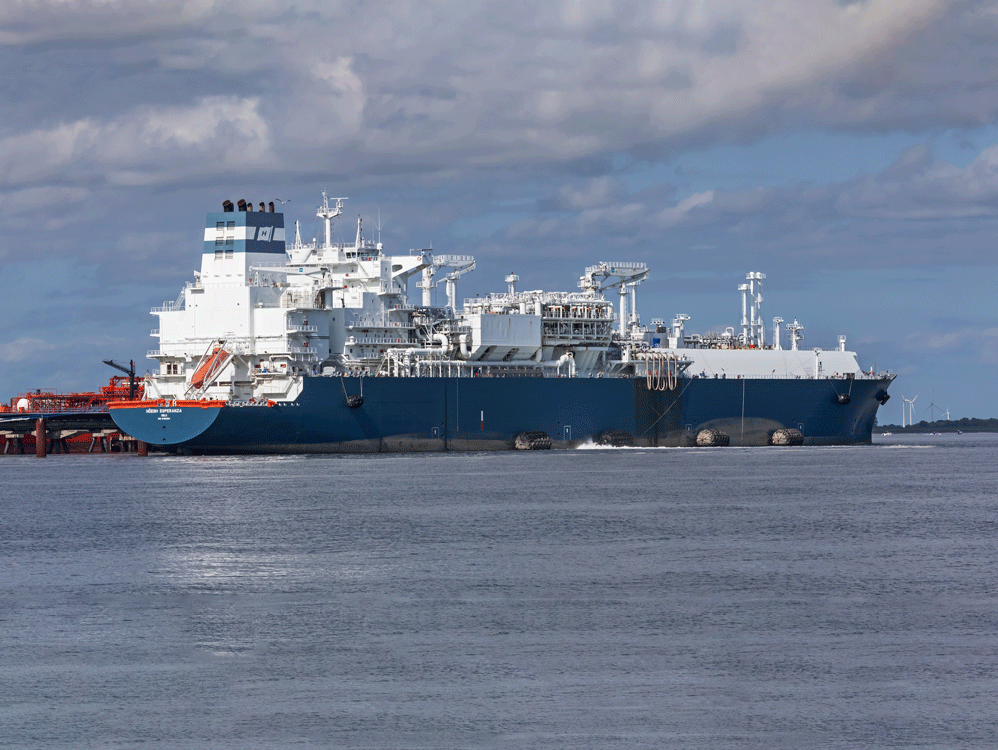
Höegh Esperanza FLNG unit at Wilhelmshaven (image: Shutterstock)
Converting LNG gas tankers to floating LNG storage units is a complex business. It requires merging ship design with LNG industry processing equipment arrangements, with stability and weight key issues.
Floating data centres: an offshore solution to onshore concerns
Offshore Technology (Newsletter)
Lloyd's Register, SHI and Capital Clean Energy Carriers Corp sign an MoU to collaborate on an FDC design (image: Lloyd's Register)
Data centres are a drain on critical power and water supplies, raising concerns about competing costs for resources. Floating data centres can solve many of the concerns around this technology.
Royal Navy tests seabed defence tech with AUKUS allies
Warship Technology (Newsletter)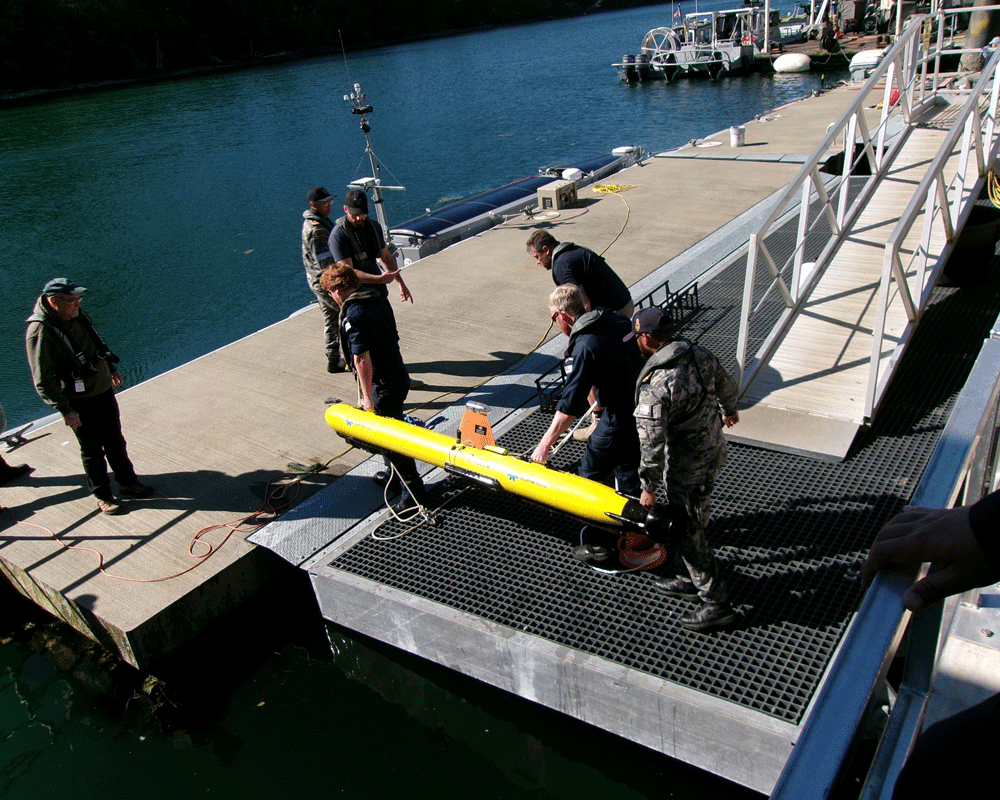
The Teledyne Gavia autonomous underwater system (image: Royal Navy).
The Royal Navy has completed a six-week AUKUS Pillar 2 trial with the US and Royal Australian Navies, testing uncrewed technology to protect critical undersea infrastructure off the US coasts and southwestern Australia.
Submarine maintenance utilises 3D printing
Warship Technology (Newsletter)
QinetiQ has installed an additive manufacturing facility at HM Naval Base Clyde, enabling submarine components to be printed and delivered dockside on demand.
Newsletters
Stay connected with the global maritime community through RINA’s newsletters.
Whether you are a member or not, you can receive updates from The Naval Architect, alongside selected RINA news, events and industry insights. Members also gain access to a wider portfolio of exclusive newsletters on key topics in the maritime industry.
