

Read stories from across our global community, including our new specialist e-newsletters across Power & Sustainability, Ship Repair & Maintenance, Warship Technology, Ferries & Fast Craft and Offshore Technology.

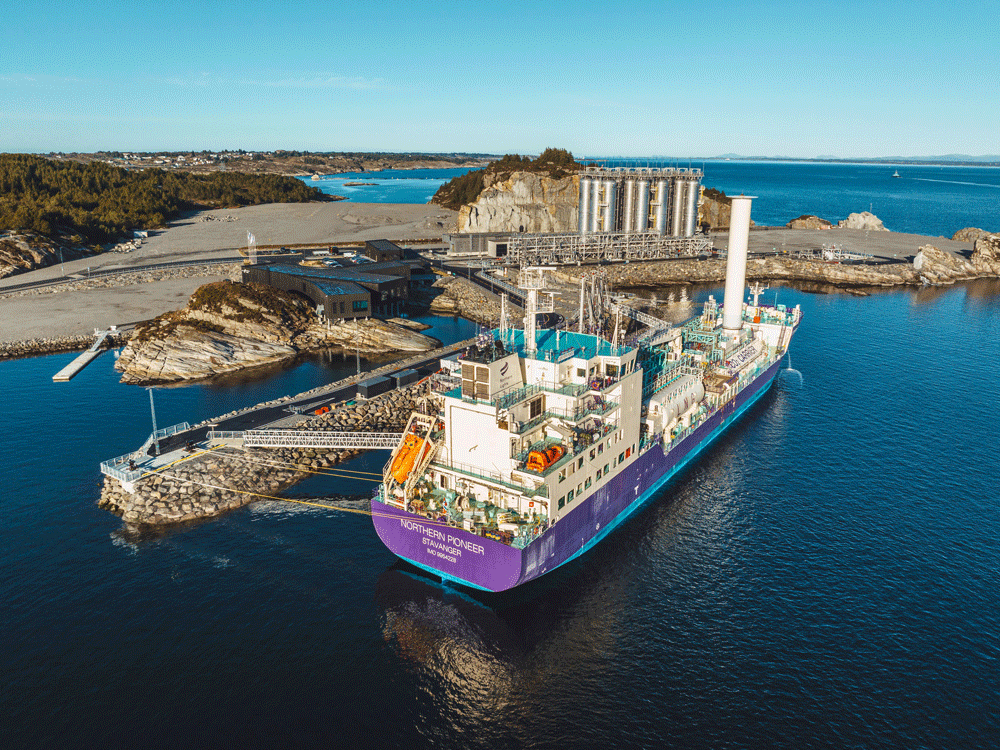
LCO2 cargo management evolution
Carbon capture and storage is expected to play a major role in the decarbonisation of shipping and other industries. Whether that captured carbon is sent for permanent storage or is purified for further industrial use, specialist vessels will need to be built to ship the gas.
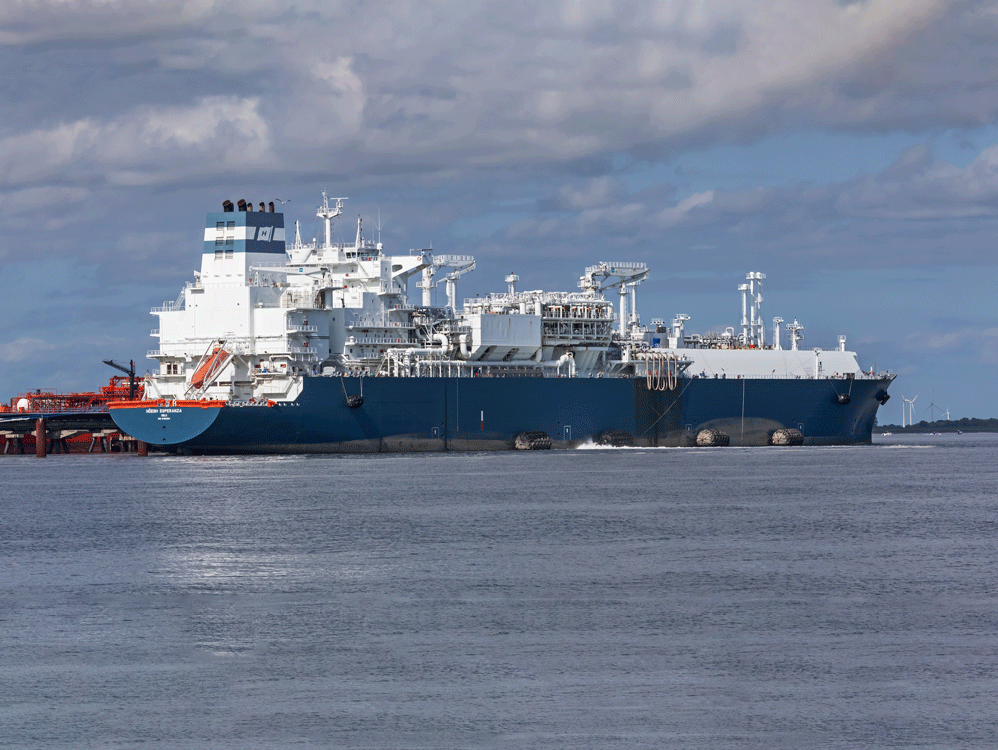
Flexible FLNG's star is rising
Converting LNG gas tankers to floating LNG storage units is a complex business. It requires merging ship design with LNG industry processing equipment arrangements, with stability and weight key issues.
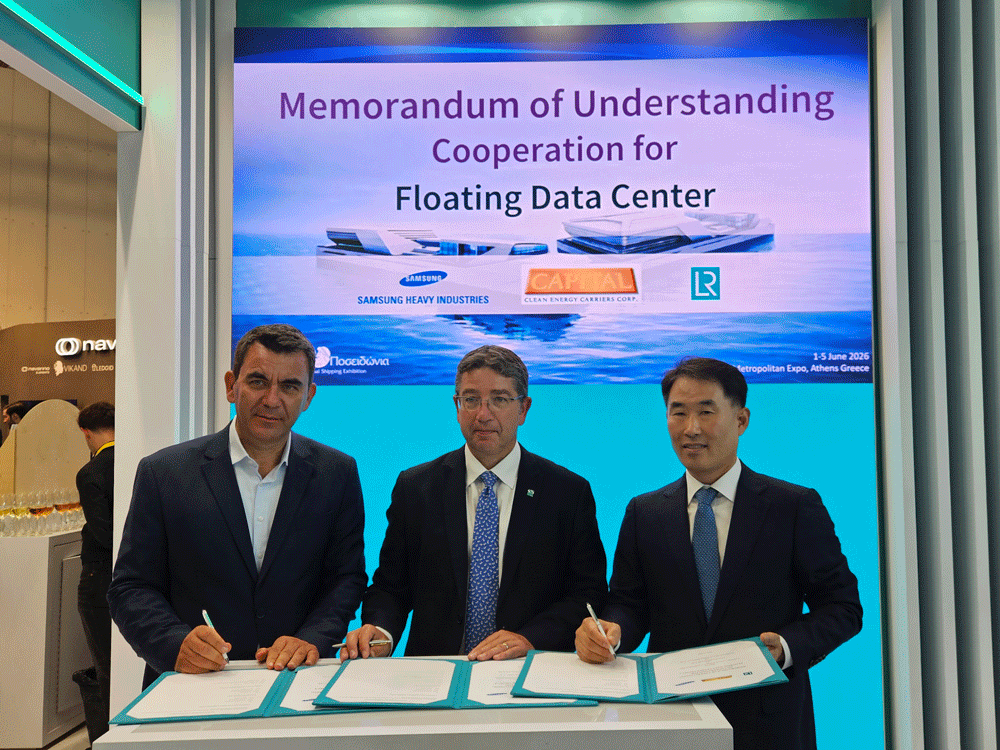
Floating data centres: an offshore solution to onshore concerns
Data centres are a drain on critical power and water supplies, raising concerns about competing costs for resources. Floating data centres can solve many of the concerns around this technology.
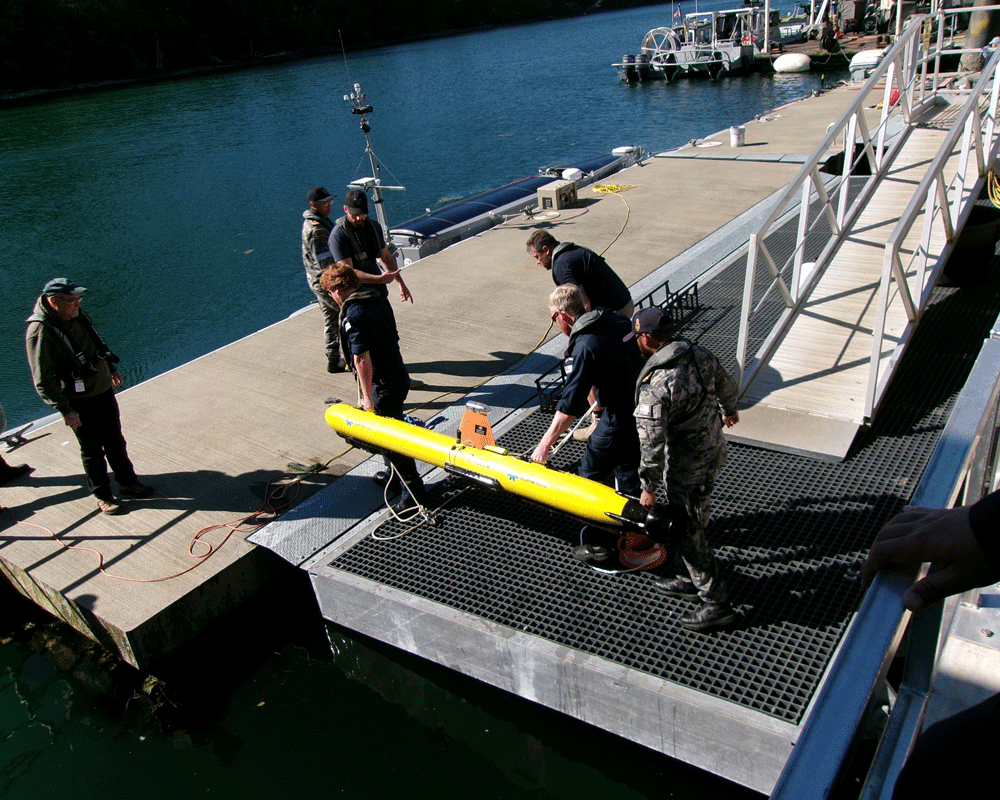
Royal Navy tests seabed defence tech with AUKUS allies
The Royal Navy has completed a six-week AUKUS Pillar 2 trial with the US and Royal Australian Navies, testing uncrewed technology to protect critical undersea infrastructure off the US coasts and southwestern Australia.
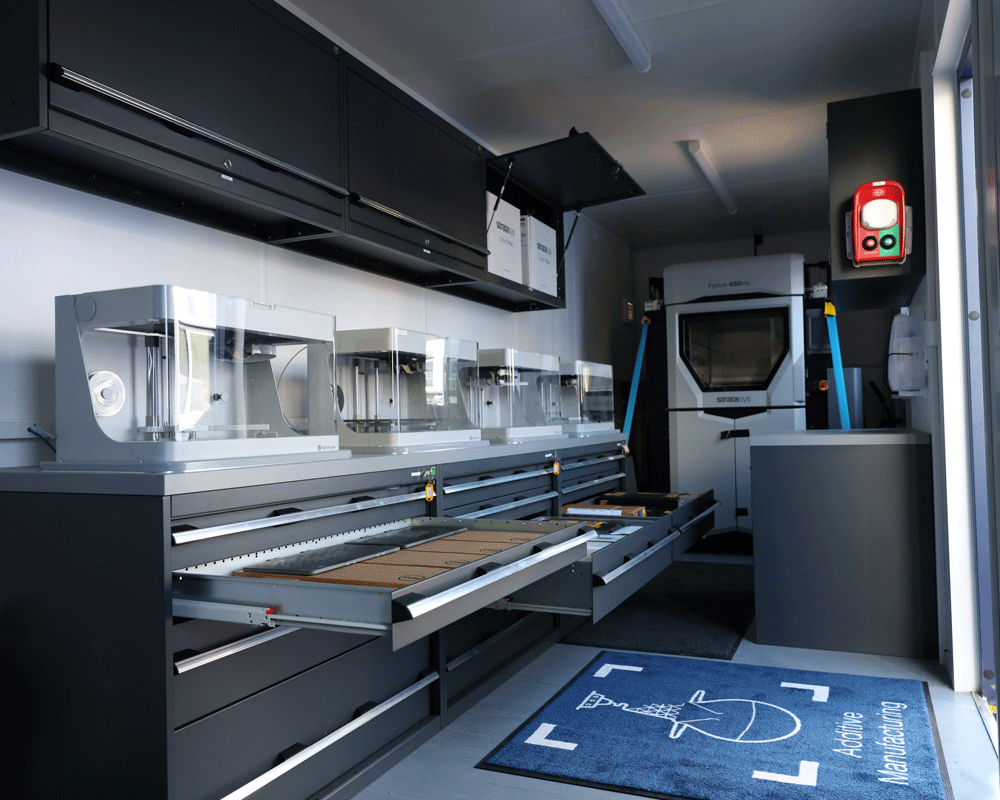
Submarine maintenance utilises 3D printing
QinetiQ has installed an additive manufacturing facility at HM Naval Base Clyde, enabling submarine components to be printed and delivered dockside on demand.
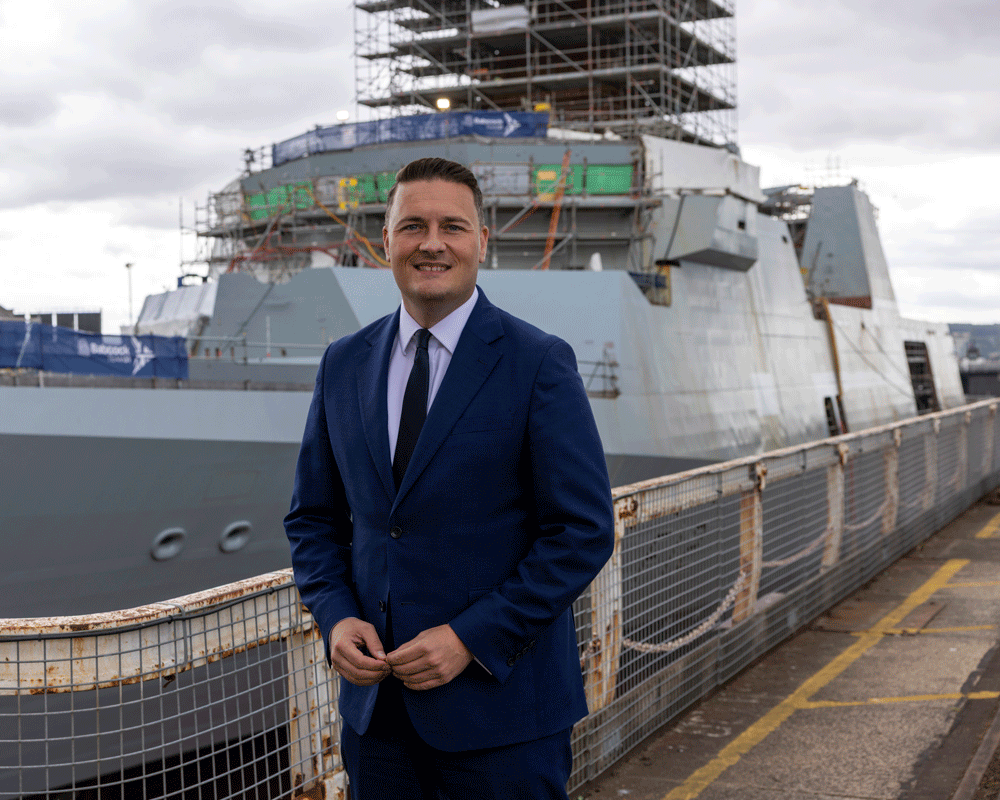
A five-class challenge for UK naval design
Naval architects face a compressed design programme under the UK's £300bn Defence Investment Plan, which replaces the Type 83 destroyer with the Common Combat Vessel, a hybrid warship coordinating four new uncrewed classes.
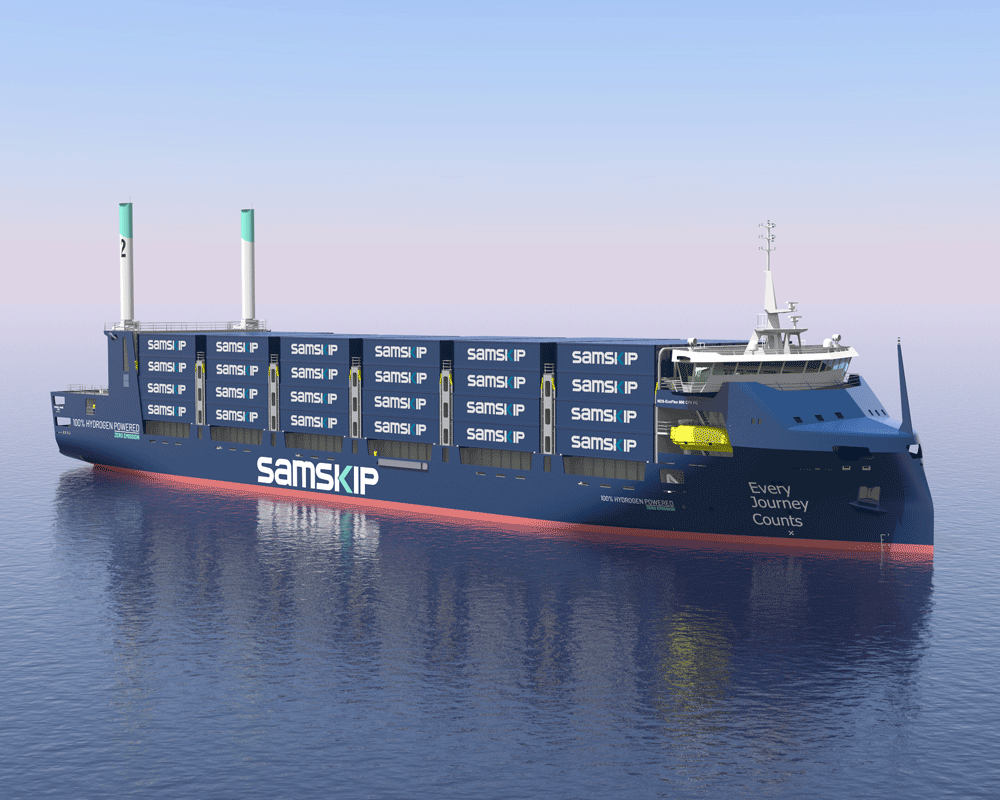
Fuel cell technology powering up at speed
Delivering maritime fuel cells that can drive deepsea shipping is not only within reach but is inevitable according to some.
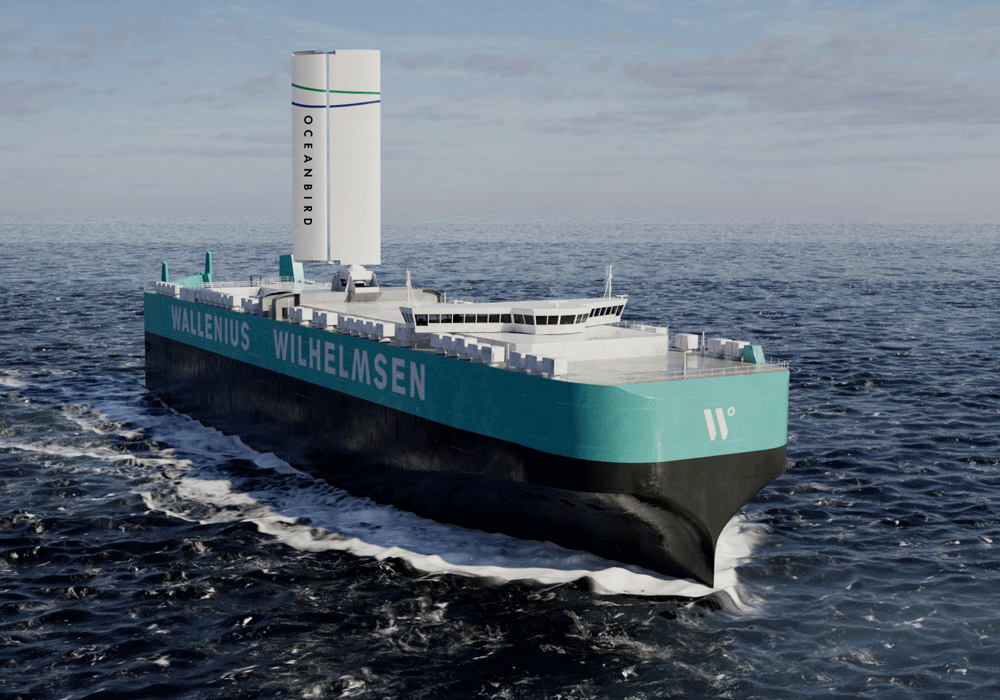
Oceanbird sets sail to zero-emission target
Maritime wings are taking off! The latest design from Alfa Laval and Wallenius Marine is promising to make wind the primary source of vessel power.
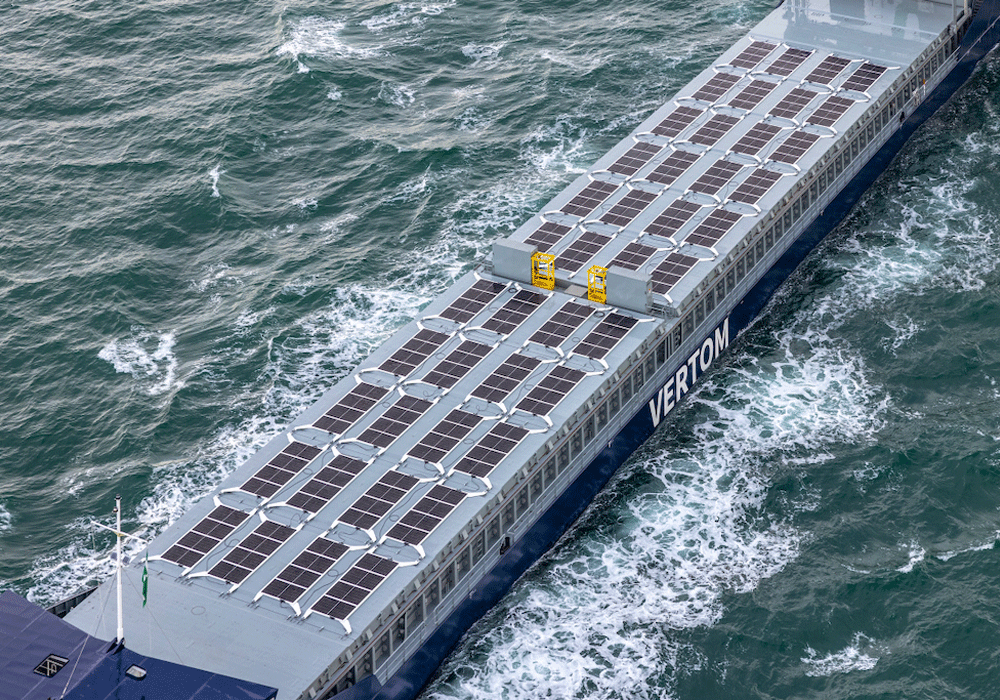
Solar added to roro energy mix
Solar power has finally found its way onto ships. Slow uptake of solar energy is seen as surprising. Coastal shipping is showing that solar can improve efficiencies.
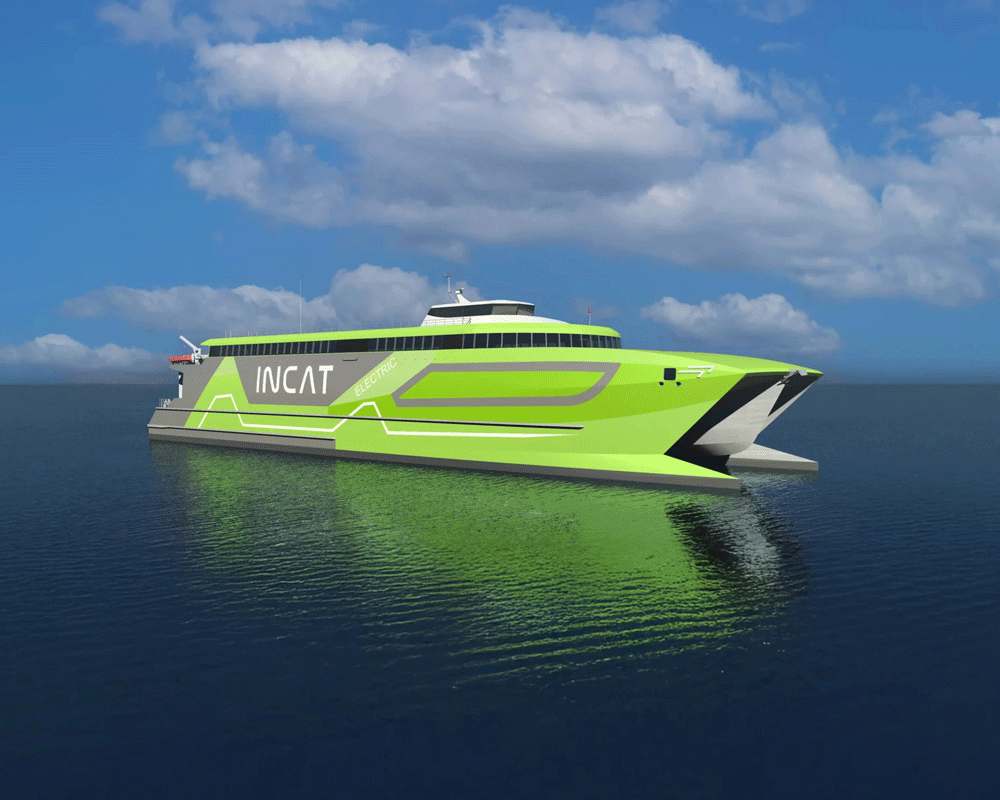
Engineering flexibility into hybrid ferry design
Incat and Echandia are demonstrating how working closer together on modular battery integration, collaborative vessel design and whole-system engineering is working to future-proof ferries as technology and infrastructure evolve.
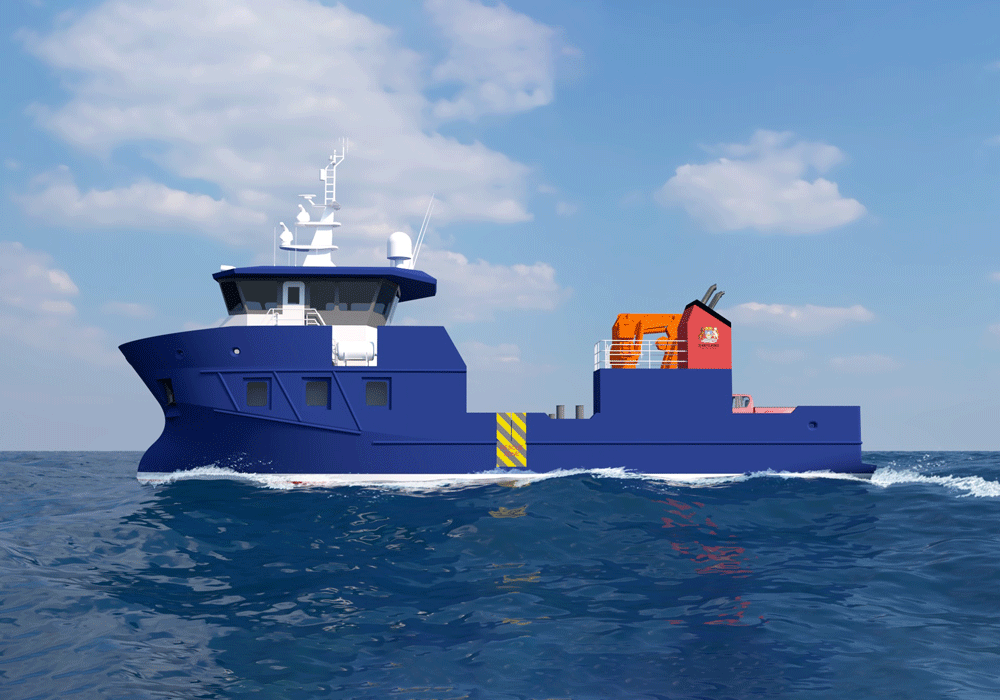
Naval architecture in the electric age
Chartwell Marine is expanding its work in the fast passenger ferry market, drawing best practice from CTV design. Its low-wake ferry hullform is a direct response to how electrification has fundamentally changed vessel design.
Newsletters
Stay connected with the global maritime community through RINA’s newsletters.
Whether you are a member or not, you can receive updates from The Naval Architect, alongside selected RINA news, events and industry insights. Members also gain access to a wider portfolio of exclusive newsletters on key topics in the maritime industry.
